Cornflower Chamomile Embroidery Pattern Review
As an embroidery designer with years of experience in the handmade and craft fair scene, I’ve seen my share of patterns come and go. Some are showstoppers, others just don’t quite cut it when it comes to visual impact or practicality. The Cornflower Chamomile Embroidery Pattern caught my eye not only for its charm but also for its potential to elevate a wide range of products at your next market or Etsy listing. Let’s break down how this design performs across key product types and what makes it a standout for small shop owners and creative entrepreneurs.
First Impressions: Soft Elegance Meets Country Charm
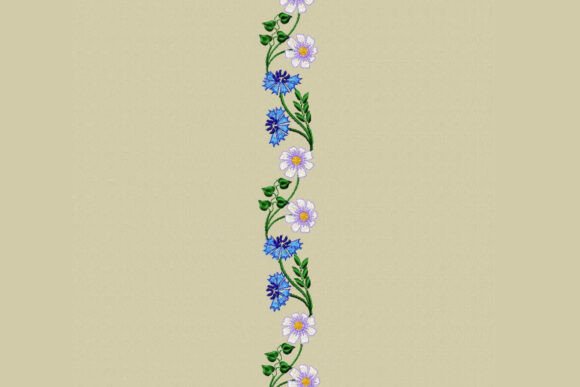
The name Cornflower Chamomile immediately evokes soft pastels and delicate botanicals. Based on the title and description alone, this pattern suggests a farmhouse-inspired, elegant border that would fit well into the current trends of cozy home décor and nostalgic-style fashion. The mention of "delightful chamomile" hints at floral elements and a gentle, hand-crafted feel — two qualities that resonate strongly with customers shopping for handmade products at craft fairs or online.
What’s more, being part of a twin-pack set means you’re getting two versatile machine embroidery designs in one. This is ideal for creating cohesive collections or varying up your booth display with subtle differences. It’s the kind of detail that appeals to both Etsy sellers and boutique makers who value brand consistency and product variety.
Where This Design Shines in Craft Fair Products
- Tote Bag Design: A tote bag embroidered with Cornflower Chamomile adds a touch of sophistication. Its softness works well on natural canvas or linen, especially if you pair it with muted thread colors. This could easily become a top seller in your craft fair product lineup, particularly if styled as a reusable grocery or weekend bag.
- Apron Embroidery: For farmhouse-themed aprons, this pattern offers the perfect balance between decorative and functional. It can be placed along the waistband or around the pocket area, enhancing the look without overwhelming the user. These kinds of items always draw attention at markets and make great gifts.
- Tea Towel Embroidery: The pattern’s linear nature makes it ideal for borders on tea towels. Its delicate details photograph beautifully, which is essential for your online listings or printable mockups used in marketing. Plus, it feels premium enough to justify a higher price point than basic towels.
- Embroidered Patch: As a patch, Cornflower Chamomile could add subtle character to denim jackets, backpacks, or even felt bags. It's a small but impactful way to offer a handmade product that fits easily into a gift basket or accessory line.
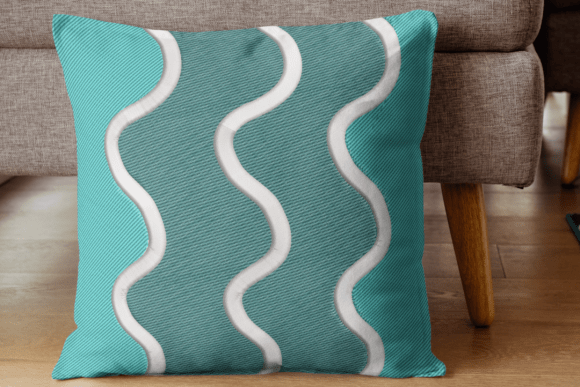
- Fabric Pouches & Pillow Covers: On smaller items like pouches and pillow covers, the design brings a sense of curated style. When paired with the right fabric texture and color, it becomes a focal point that elevates the overall aesthetic of your booth samples.
Clarity and Visibility
This design is clearly structured, making it easy to understand at a glance. Whether using it as a small accent on a cap or a larger embroidery file on a tote bag, the layout is intuitive. That said, be cautious with very small sizes — the intricate details might lose definition. Always test it on scrap fabric before committing to full production.
Photography and Presentation
One of the strengths of Cornflower Chamomile is how it photographs. The soft hues and organic shapes translate well in lighting, giving your finished product a clean and inviting look. This is especially important for digital sellers who rely on strong visuals to sell their work online. Make sure to use contrasting thread colors on lighter fabrics to highlight the design.
Batch Production and Repetition
If you're aiming to produce multiple units quickly, this pattern is repeatable and scalable. Since it’s a border embroidery design, it can wrap around items consistently, helping maintain a professional appearance across your collection. Just ensure you confirm the hoop size requirements and spacing so each item looks balanced and aligned. Using the correct stabilizer will help avoid puckering or distortion during mass runs.
Things to Watch Out For
- Dense Stitch Areas: Like many detailed border designs, there may be sections with high stitch density. These can cause issues if the fabric is too thin or stretchy. Opt for tightly woven cotton or cotton blends for best results.
- Tiny Details: While the intricate elements add charm, they also require precision stitching. Test the design on different fabric textures to see how they hold up under close inspection.
- Dark Fabric Contrast: If you plan to use it on darker materials, consider thread color combinations carefully. Pastel threads may not pop as expected, so experiment with metallic or white threads for better visibility.
- Curved Surfaces: Applying the pattern to curved surfaces like caps or rounded pouches may need slight adjustments. Check the design assets for flexibility or manually tweak the placement for a seamless look.
- Design Clarity at Smaller Sizes: Don’t assume it will scale perfectly. Create a real-life mockup at various sizes to assess whether the details remain crisp and legible.
Maximizing Sales Potential
For craft fair sellers, visual appeal is everything. Cornflower Chamomile has that “cozy cottage” vibe that draws people in. It’s not flashy, but it exudes quality and thoughtfulness — two traits that build trust with buyers.
Use this pattern on a mix of small shop products to create a cohesive theme. Think of pairing a chamomile-embroidered tea towel with a matching apron and tote bag. Such sets allow you to upsell while maintaining brand consistency and showcasing your skills effectively.
When setting up your booth, place these items where they can catch the light and reflect the soft, artisanal feel of the design. They’ll stand out against more bold or modern patterns, offering a calm contrast that many shoppers seek in handmade goods.
Designer Tips for Success
- Test First: Before hooping anything for sale, stitch Cornflower Chamomile on scrap fabric to evaluate stitch density, tension, and thread behavior.
- Review Spacing: Especially on borders, spacing is crucial. Ensure the design doesn’t crowd the edges or get lost in the middle of the piece.
- Confirm Licensing: If you plan to sell commercial embroidery products, double-check the licensing terms included with the digital embroidery file. You want to protect yourself from legal pitfalls while growing your business.
- Mockup Creation: Build at least one real printable mockup to present in your Etsy listings. Use it to show off the pattern on different items and fabric colors.
- Compare Fabrics: Try the design on several fabric types — cotton, linen, twill, etc. — to see which ones enhance the beauty of the embroidery.
Final Thoughts for Creative Entrepreneurs
In the world of craft fair products, standing out isn’t just about having a good design — it’s about knowing how that design interacts with fabric, functions in production, and speaks to your audience visually. Cornflower Chamomile Embroidery Pattern checks most of those boxes with ease.
It’s a machine embroidery design that feels hand-stitched in spirit, blending rustic charm with modern accessibility. Whether you're embroidering a market bag or a decorative pillow cover, this pattern adds a layer of refinement that customers notice and appreciate.
So, if you're looking to expand your handmade product offerings with something that’s both beautiful and practical, give Cornflower Chamomile a try. Just remember to test thoroughly, choose the right stabilizers and thread palettes, and let the design shine through thoughtful presentation. With the right approach, it could become a staple in your craft fair booth and a favorite among your handmade shop regulars.