Cute Bird Embroidery Design Review for Business Use
First Impressions: Friendly and Playful Branding Potential
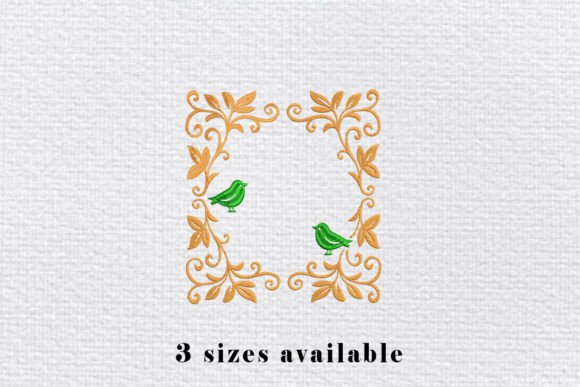
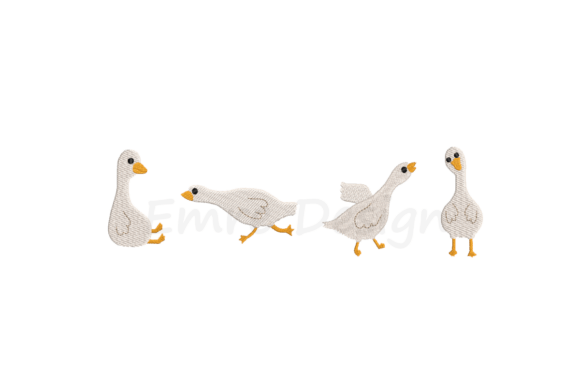
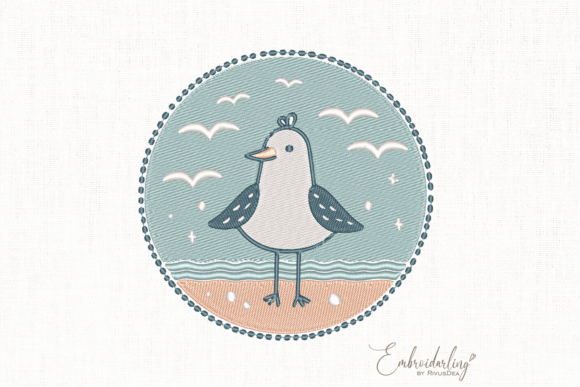
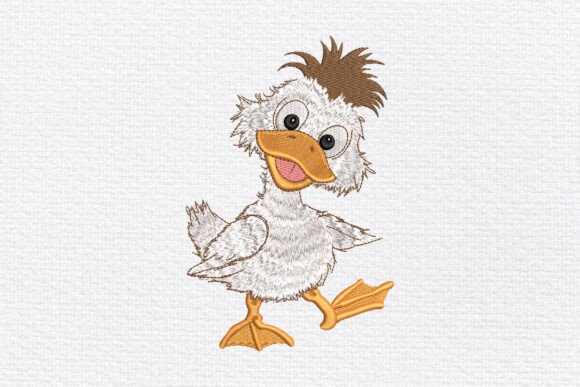
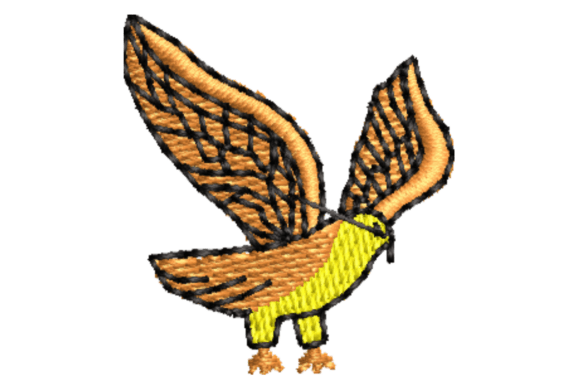
As an experienced embroidery designer, the first thing that stands out about Cute Bird Embroidery Design is its visual personality. The title and description suggest a design that is friendly, cheerful, and playful, making it ideal for businesses targeting children, families, or lifestyle brands with a warm aesthetic. It’s not just another machine embroidery design—it has the potential to be a brand asset when applied correctly.Real-World Applications for Small Businesses
The Cute Bird Embroidery Design works well across various commercial embroidery applications, especially where brand identity needs to feel approachable and fun.
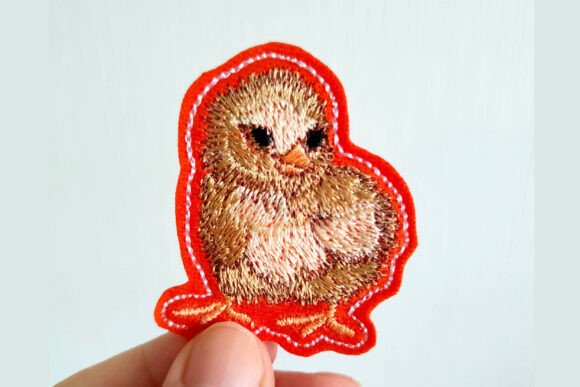
- Embroidered Patches: This design could be used as a patch on tote bags, backpacks, or even staff uniforms for a boutique or creative studio. Its bold shape ensures visibility, and the cartoon style adds character.
- Staff Uniforms & Aprons: As a chest logo or sleeve detail, the bird offers a subtle yet recognizable touch. For example, a local bakery or florist might use it on aprons to reflect their friendly, artisanal vibe.
- Cap Embroidery: When placed on the front of a cap, the design becomes a conversation starter. However, care must be taken to scale it appropriately to avoid overcrowding the space.
- Tote Bag Design: On a canvas tote, the Cute Bird Embroidery Design shines—especially if your brand values sustainability and community. It can serve as a signature mark that customers associate with your shop or café.
- Product Packaging Accents: A smaller version of the design could work well as a label or tag on handmade product packaging, adding a decorative yet branded finish.
- Event Merchandise: For pop-up shops, seasonal events, or customer gifts, this design can be paired with text or other design assets to create unique, limited-edition custom apparel.
- Etsy Branding: If you're an Etsy seller or handmade brand, this design fits perfectly within a line of personalized, craft-focused products. Just ensure it complements your overall visual identity.
Where to Use With Caution
- Small Patch Sizes: The design may lose clarity if reduced too much. Always test it at intended sizes before mass production.
- Curved Surfaces: Due to its detailed lines and possibly complex stitch paths, placing it on curved surfaces like sleeves or caps could lead to distortion. Consider using a printable mockup to preview how it looks in these contexts.
- High Stitch Density Areas: If the design includes intricate outlines or shading, high-density stitching may cause puckering or stiffness on certain fabrics. Be sure to review the stitch layout and adjust if necessary.
- Textured Fabrics: The design may not show up as clearly on denim, burlap, or similar materials. Thread colors and fabric texture should be tested together.
- Dark Uniforms: While thread color options are likely diverse, the cartoon style may not stand out enough on darker backdrops. Contrast is key in maintaining brand recognition.
- Frequent Washing: Items like aprons or work shirts require durability. Check how the design holds up after repeated washes and whether it remains intact and vibrant.
Impact on Brand Identity and Customer Perception
When used thoughtfully, Cute Bird Embroidery Design can significantly enhance brand identity. Its playful nature appeals to younger demographics while still feeling professional enough for adult audiences. This duality makes it suitable for businesses that want to project a welcoming and creative image.
For a handmade product line or a boutique with a whimsical theme, this design reinforces authenticity and attention to detail. It helps build customer trust by showing that the brand cares about quality and presentation. Moreover, the consistent look across different merchandise items improves visual consistency, which is essential for brand recognition.
Design Notes for Professional Embroiderers
- Test in Black and White First: Before finalizing thread colors, try the design in grayscale to assess contrast and readability.
- Check Small Patch Size Performance: Resize the digital embroidery file and run a sample to see how it translates to smaller formats.
- Review Thread Color Contrast: Ensure the chosen thread colors complement the background fabric and meet your brand's visual standards.
- Inspect Spacing and Layout: Look for any tight spacing or overlapping stitches that might cause issues during embroidery.
- Confirm Hoop Size Requirements: If hoop size details aren’t included, always verify before purchasing the file to avoid compatibility issues.
- Test on Real Fabric: Digital embroidery files look great on screen, but real-world testing is crucial for accuracy and quality.
- Use Proper Stabilizer: Especially important for delicate or stretchy fabrics. The right stabilizer will help maintain the design's integrity.
- Create a Mockup for Client Approval: Share a printable mockup of the design on actual merchandise to set expectations and secure buy-in.
- Compare With Other Design Assets: Make sure the bird matches in tone and style with your existing logos or graphics for cohesive branding.
- Confirm Commercial Licensing: Always check if the design allows for commercial use. Many free designs are not licensed for business embroidery projects.